
Composite vs Wood Decking
An honest comparison from a builder that installs both, so you can choose the right material for your home and budget.
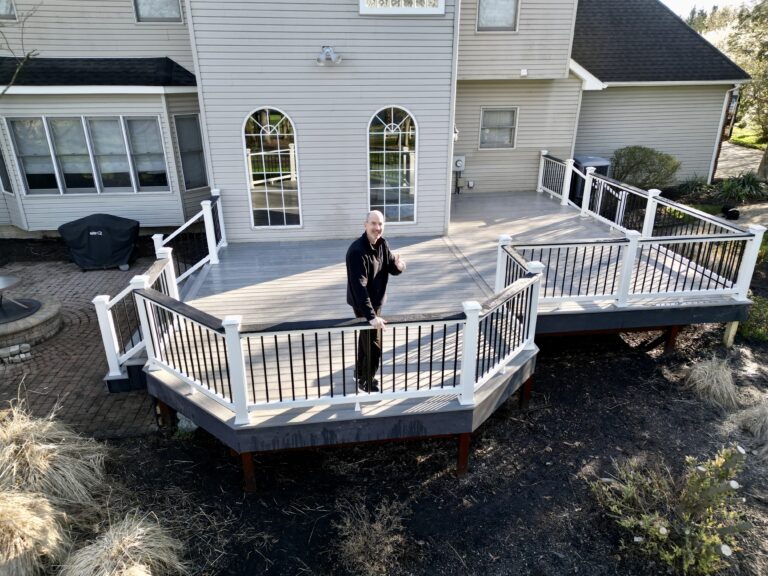 Built by DreamDecks
The Quick Answer
Pressure treated wood costs less up front, about $38 per square foot built, but needs staining or sealing every two to three years and typically lasts 15 to 20 years in Ohio.
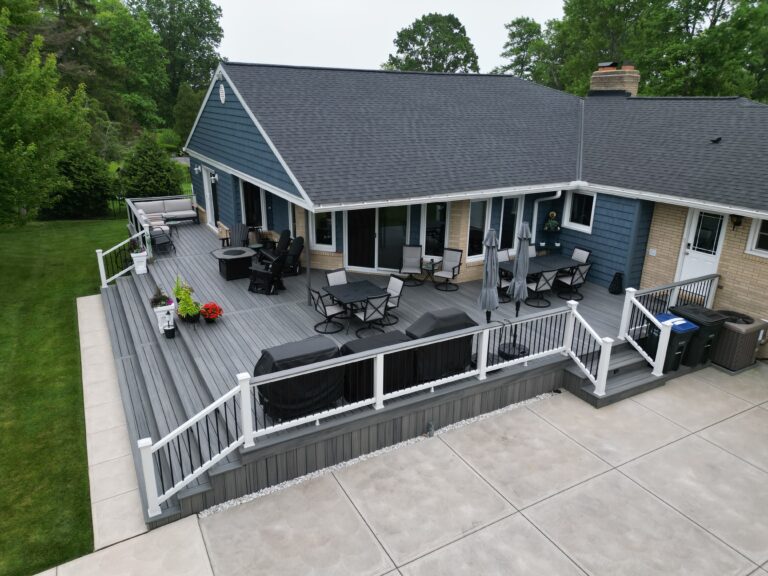
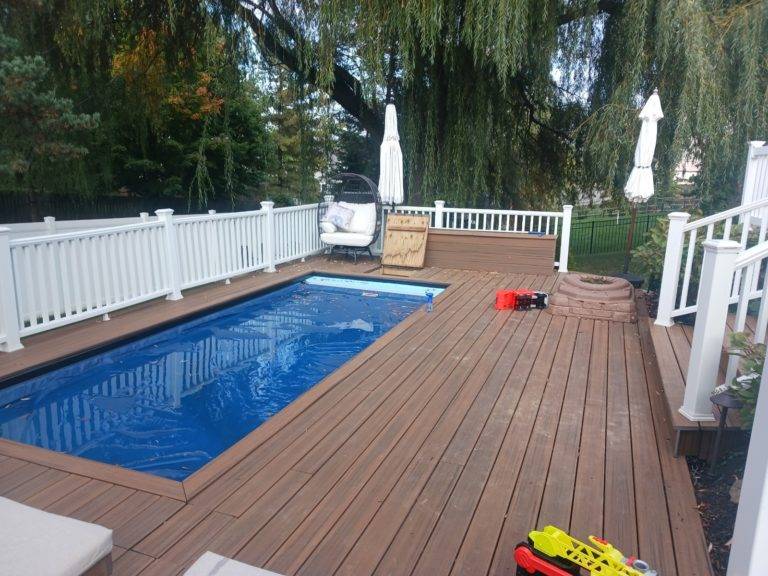
Composite costs more, about $55 per square foot built and $78 for premium lines, but needs only washing, resists rot and splinters, and carries warranties of 25 to 50 years.
For most homeowners planning to stay more than a few years, composite costs less over the life of the deck.
Composite vs Wood at a Glance
Composite Brands We Install


How It Works With DreamDecks
Free Consult
We visit your home, measure, and talk through how you want to use the space.
3D Design and Quote
You see the deck on your home and get a clear written quote with no surprises.
Permits and Prep
We handle drawings, permits, HOA paperwork, and ordering materials.
Build and Walkthrough
Our in house crew builds it, cleans up, and walks the finished deck with you.
Frequently Asked Questions
Is composite decking worth it?
For most people, yes. It costs more to build but saves years of staining and repairs, and it holds its looks much longer.
Does composite get hot in the sun?
Darker composite colors can get warm in direct summer sun. Lighter colors and some premium lines stay cooler, and shade helps a lot.
Can composite go on a wood frame?
Yes. Composite decking is installed over a pressure treated frame with joists spaced for composite, usually 16 inches or closer.
Which lasts longer in Ohio weather?
Composite and PVC handle freeze thaw cycles, moisture, and sun far better than wood, with far less upkeep.
Do you still build wood decks?
Yes. Pressure treated and cedar decks are a good choice for some budgets and styles, and we build them with the same care.
More From DreamDecks
Deck Lighting at Night
Stair riser and post cap lights glowing after sunset.
Ready to Get Started?
Tell us about your project and we will set up a free visit and send a 3D design and written quote. We reply within 24 hours.
- Certified Trex, TimberTech, and Deckorators installer
- In house crew, no subcontractors
- Permits and inspections handled
- Financing available